Discover the Duty of AI in Promoting Ethics and Stability to Fight Insider Threats Efficiently
The assimilation of AI in business structures has actually become critical in addressing expert hazards. By employing advanced analytics and real-time surveillance, AI systems can determine inconsistencies from ethical behavior among employees (Insider threats). This positive technique not just improves compliance however additionally promotes an atmosphere of depend on. As firms significantly count on these modern technologies, inquiries emerge concerning their efficiency and possible ramifications for workplace culture. What exists ahead in the evolution of AI's duty in advertising honesty?
Recognizing Expert Dangers and Their Effect On Organizations
Companies often concentrate on outside risks, insider risks present a considerable risk that can threaten safety and stability. These threats arise from people within the organization, such as service providers or employees, who might misuse their accessibility to delicate details for personal gain or harmful intent. The impact of expert hazards can be severe, bring about monetary losses, reputational damage, and lawful implications.
Elements adding to insider hazards consist of dissatisfaction with the office, lack of oversight, and insufficient employee training on protection protocols. Organizations frequently struggle to determine these threats, as they can be tough to detect till substantial damage has actually occurred. Avoidance strategies need to concentrate on cultivating a culture of trust fund and liability, together with implementing robust surveillance and reporting systems. By acknowledging and addressing the complexities of expert hazards, organizations can improve their security posture and secure their beneficial assets from interior threats.
The Development of AI in Workplace Safety And Security
As companies significantly challenge diverse protection challenges, the combination of expert system (AI) in workplace safety and security has actually advanced considerably. AI applications focused mainly on automating fundamental safety procedures, such as accessibility control and security. Nonetheless, innovations in artificial intelligence and data analytics have actually changed AI right into an aggressive device efficient in determining possible hazards and susceptabilities in real-time.
Organizations currently leverage AI-driven systems to analyze substantial quantities of data, enabling them to detect strange habits that may indicate expert dangers. This evolution has actually caused the advancement of sophisticated formulas that can gain from historic occurrences, enhancing the system's anticipating capacities. Additionally, AI tools are significantly used to streamline case reaction procedures, allowing security groups to act quickly and efficiently.
Just How AI Monitors Worker Behavior for Ethical Conformity
Fabricated knowledge plays a crucial role in keeping track of employee actions to guarantee ethical conformity within companies. AI systems assess huge amounts of information created by staff members, including interactions, purchases, and access to delicate info. By using innovative algorithms, these systems can determine variances from developed moral requirements and business plans.
Artificial intelligence versions continuously adjust to acknowledge patterns of habits that might suggest moral breaches, such as unauthorized information access or uncommon deal tasks. Insider threats. Additionally, AI-driven tools can provide real-time signals to management, helping with timely interventions when potential threats are discovered
The combination of AI into compliance monitoring not just improves the organization's ability to copyright integrity but additionally fosters a culture of responsibility among staff members. By advertising openness, AI systems function as a deterrent against underhanded habits, guaranteeing that workers remain lined up with ethical requirements and organizational values.
Examining Patterns: Identifying Risky Actions With AI
An expanding variety of organizations are leveraging AI to analyze patterns that might indicate dangerous actions amongst staff members. By utilizing innovative formulas, these systems can look via large quantities of information, recognizing abnormalities in customer behavior that can recommend potential insider hazards. As an example, AI can identify unusual accessibility patterns to sensitive info, such as workers accessing data outside their common extent of work or throughout atypical hours. Furthermore, behavioral analytics can highlight frequent changes in a staff member's interaction style or cooperation behaviors, which might represent underlying issues. This positive method enables companies to pinpoint threat elements before they intensify into considerable dangers. The assimilation of AI into keeping an eye on practices not only boosts safety and security however additionally promotes a society of accountability and honest actions. By identifying these patterns, companies can much better understand the behavioral characteristics within their workforce, eventually promoting a more secure and a lot more ethical work atmosphere.
Real-Time Insights: Immediate Feedbacks to Potential Risks
Real-time understandings via anticipating analytics and automated alert systems play a necessary role in addressing prospective hazards to principles and honesty. By leveraging these innovations, organizations can expect dangerous habits and react quickly to alleviate dangers. This positive approach improves responsibility and promotes a culture of stability in numerous settings.
Anticipating Analytics Applications
Automated Alert Systems
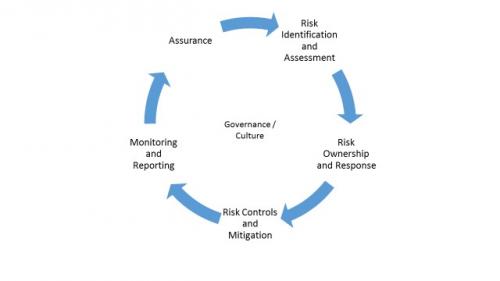
Predictive analytics gives a structure for organizations to enhance their responsiveness to ethical problems with automated alert systems. These systems use he has a good point real-time information to keep an eye on activities, spotting anomalies that may signify possible insider hazards. By leveraging artificial intelligence formulas, automated alerts can recognize patterns of habits that depart from developed norms, enabling speedy treatment. This immediacy is important in mitigating threats related to unethical techniques. Automated alert systems can enhance interaction among relevant stakeholders, making sure that possible risks are resolved quickly and properly. As organizations progressively rely on AI-driven remedies, the integration of automated alert systems will play a pivotal duty in fostering a society of values and honesty, inevitably safeguarding organizational possessions.
Cultivating a Culture of Trust Through AI-Driven Transparency
AI-driven transparency can greatly improve trust fund within organizations by promoting responsibility and open communication. Through real-time tracking options, stakeholders can get insights into procedures and decision-making, promoting a society of honesty. Data-driven decision-making even more supports this transparency, allowing notified choices that straighten with ethical requirements.
Enhancing Openness and Responsibility
How can organizations effectively foster a culture of trust fund? By enhancing transparency and accountability through the tactical usage of fabricated knowledge. AI can aid companies methodically track decision-making procedures, ensuring that activities straighten with established ethical standards. This transparency permits staff members to see the rationale behind decisions and policies, decreasing uncertainty and cultivating a sense of justness. Additionally, AI-driven devices can promote clear interaction concerning responsibilities and assumptions, encouraging people to take possession of their actions. As accountability comes to be deep-rooted in the organizational society, workers are more probable to engage in ethical actions, understanding their actions are kept track of and evaluated. Inevitably, this technique cultivates a setting where trust fund can thrive, greatly minimizing the danger of insider threats.
Real-Time Surveillance Solutions
As organizations significantly look for to promote a society of count on, real-time surveillance options emerge as a crucial tool in boosting transparency. These AI-driven systems continuously track tasks, providing understandings into individual behavior and possible abnormalities that may show expert threats. By carrying out such surveillance services, companies can proactively determine threats, guaranteeing punctual responses to dubious activities. This not only safeguards delicate information but likewise enhances a commitment to moral methods. The transparent nature of real-time tracking assists construct employee confidence, as individuals are conscious that their activities are being observed for the higher good. Eventually, these options offer to grow a workplace setting grounded in trust, responsibility, and honest honesty, necessary for minimizing expert hazards efficiently.

Data-Driven Decision Making
Real-time tracking services lay the groundwork for data-driven choice production, which substantially boosts business openness. By leveraging AI technologies, organizations can evaluate vast amounts of data to determine anomalies and patterns indicative of potential insider risks. This analytical approach makes it possible for stakeholders to make informed decisions based in empirical proof, promoting a culture of count on among staff members. Openness in decision-making processes, boosted by AI-driven understandings, motivates liability and ethical actions. In addition, it permits organizations to proactively deal with vulnerabilities, making certain that activities taken are justified and connected plainly. As an outcome, the application of data-driven techniques not just alleviates dangers connected with insider hazards yet likewise strengthens the values of honesty blog and honest conduct within the organizational structure.
Future Fads: The Function of AI in Enhancing Workplace Ethics
While companies increasingly turn to synthetic knowledge for operational performance, the potential of AI to boost work environment values is getting prominence. Future trends suggest that AI will play an essential duty in establishing ethical structures and standards, enabling companies to browse complex ethical dilemmas. By examining vast amounts of data, AI can identify patterns of dishonest habits and provide insights that advertise transparency and responsibility.
Additionally, AI-driven tools can help with real-time surveillance of employee communications, guaranteeing adherence to honest criteria. This positive technique not just minimizes insider risks yet additionally cultivates a society of honesty. As organizations embrace AI innovations, they must likewise focus on moral shows and algorithmic bias decrease to assure justness.
In this evolving landscape, the assimilation of AI in ethical methods represents a transformative shift, promoting an atmosphere where stability is not just anticipated yet systematically strengthened.
Often Asked Concerns
Exactly How Does AI Differentiate In Between Benign and Malicious Actions?
AI distinguishes in between benign and destructive activities by analyzing patterns in user behavior, employing device knowing formulas to recognize abnormalities, and examining contextual information to establish whether actions align with established norms or show potential threats.
Can AI Devices Replace Human Being Judgment in Honest Decision-Making?
AI devices can not totally change human judgment in ethical decision-making. While they can analyze information and identify patterns, the nuanced understanding of context, worths, and ethical ramifications still requires human insight and discernment.
What Are the Privacy Ramifications of AI Checking Worker Habits?
Exactly How Can Organizations Ensure AI Algorithms Are Fairly Made?
Organizations can guarantee AI formulas are fairly developed by carrying out transparent development procedures, including diverse stakeholders, conducting regular audits, and adhering to established moral frameworks that prioritize fairness, accountability, and regard for individual privacy and civil liberties.
What Training Is Needed for Team to Comprehend Ai's Ethical Duty?
Personnel training must include foundational AI values, data personal privacy, and bias recognition. Workshops, instance research studies, and interactive sessions can enhance understanding, guaranteeing workers acknowledge AI's moral effects and its role in promoting integrity within the organization.
Fabricated knowledge plays a crucial duty in keeping track of employee habits to guarantee honest conformity within organizations. The assimilation of AI into checking practices not just boosts safety yet likewise fosters a society of accountability and honest actions. While organizations increasingly deal with moral dilemmas and prospective honesty violations, predictive analytics applications provide prompt understandings that can assist mitigate these dangers. Anticipating analytics gives a foundation for companies to enhance their responsiveness to honest problems via automated alert systems. Future fads indicate that AI will play a crucial role in developing moral frameworks and guidelines, enabling organizations to browse complex moral issues.
Comments on “Insider threats promote a proven way to reinforce security standards”